
Accredited online TEFL Courses from $29 Multi-currency checkout
USD · GBP · EUR · AUD · CAD · BRL · PHP · INR Try a free lesson Need help?

TEFL destinations

TEFL destinations: where you could teach English abroad.

Compare TEFL destinations such as South Korea, China, Japan, Vietnam, Thailand and online teaching: what each place asks for, what teaching is like, and how your TEFL certificate fits.

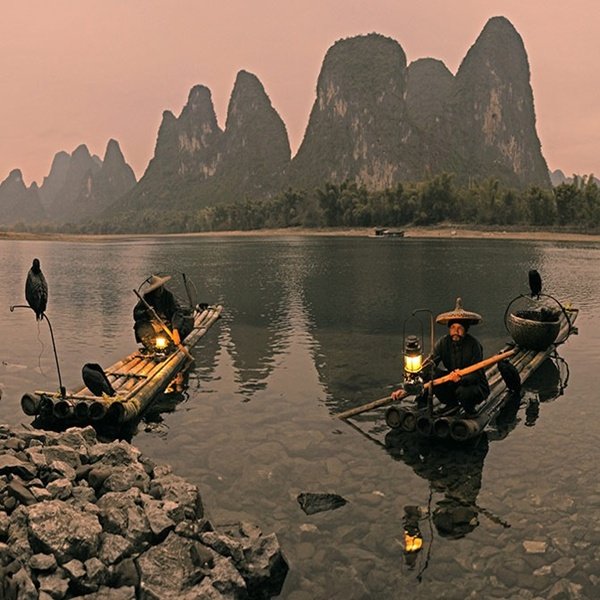
Guilin and Yangshuo karst landscape in China, one of the most popular TEFL destinations
FROM$29120-HOUR
TEFL

Teach English abroad

Get paid to live somewhere new, with a TEFL certificate.

A 120-hour TEFL certificate is the usual entry ticket to teaching English abroad or online. Requirements differ from country to country, so this guide to TEFL destinations shows you what to check first.

Many first jobs need no experience: schools often hire newly certified teachers with a degree and a TEFL.
Contracts can include a lot: housing or an allowance, flights and insurance are common in Korea and China.
Rules differ by country: degree, passport, apostille and age rules all vary, so check before you apply.

A short introduction to StudyTEFL online TEFL courses.

Destination explorer

Explore TEFL destinations and see what you'd need.

Each destination shows the degree, passport, TEFL, pay, hiring and document rules in plain language. Typical requirements and pay, checked September 2026. Employers and visa authorities set their own rules.

Teach English online from anywhere with a TEFL certificate
Teach English online from wherever you live.

Teach English in Online

Teach from anywhere with a laptop, a headset and reliable internet.

DegreeVaries by platform. Some ask for one, others do not.
Passport or native speakerVaries by platform. Many prefer native or near-native English.
TEFLA 120-hour certificate is the usual starting point.
Typical payRoughly $10 to $28 an hour on fixed-rate platforms. Marketplace tutors set their own rates.
HiringFlexible, often part-time hours, usually fitted around your own schedule.
DocumentsAn apostille is usually not needed.

What teaching is like

Lessons are usually one-to-one or small groups over video, with children or adults, and often at hours set by your students' time zones. Some platforms give you a ready-made curriculum, while others leave the lesson planning to you.

One-to-one tutoringKids' online schoolsAdult conversationBusiness English

Good to know

  • Platforms and their pay change often, so check current hiring before you commit.
  • Marketplace platforms can take a commission from each lesson.
  • Online teaching pairs well with a first job abroad, or with study and travel.
Cherry blossom in Seoul, South Korea, a popular place to teach English with a TEFL certificate
Cherry blossom season in Seoul.

Teach English in South Korea

Structured contracts, with housing and flights often included.

DegreeBachelor's degree, any subject (E-2 visa).
Passport or native speakerE-2 visa: citizens of the US, UK, Canada, Australia, New Zealand, Ireland and South Africa.
TEFLOften asked for. 100 to 120+ hours is common, especially for public schools.
Typical payAbout 2.2 to 2.7 million won a month, plus housing or a housing allowance.
Hiring12-month contracts. EPIK has spring and fall intakes, and hagwons hire year-round.
DocumentsClean national criminal record check and degree, both apostilled.

What teaching is like

Public schools (EPIK) place you alongside a Korean co-teacher on a Monday to Friday schedule, with roughly 22 teaching hours a week. Private academies (hagwons) are more flexible on start dates and often teach after school hours, so evenings can be part of the job.
EPIK public schoolsHagwon academiesUniversity campsPrivate tutoring

Good to know

  • Many contracts include housing, a flight allowance, health insurance and completion pay, so savings potential is strong.
  • The E-2 visa process is document-heavy, so start your paperwork early.
  • Some teachers of Korean heritage can use a different visa (F-4) with different rules.
Teach English in China with StudyTEFL affordable TEFL certification
Teaching English in China with a 120-hour TEFL.

Teach English in China

Big cities, big demand and one of the largest TEFL job markets.

DegreeBachelor's degree, any subject (Z work visa).
Passport or native speakerSeven native-English countries are officially preferred. Other passports are harder.
TEFLA 120-hour TEFL, TESOL or CELTA is standard, in place of two years of teaching experience.
Typical payAbout ¥12,000 to ¥35,000+ a month. Many entry-level listings sit around ¥18,000 to ¥25,000.
Hiring1-year contracts are common, and many offer housing or an allowance and a flight allowance.
DocumentsDegree and criminal record check apostilled. Some employers also ask for the TEFL certificate to be apostilled.

What teaching is like

You could work in public schools, private language centres, kindergartens or international schools, often 20 to 25 teaching hours a week. Beijing, Shanghai, Shenzhen and Guangzhou are the best-known job markets, and international schools pay the most.
Public schoolsLanguage centresKindergartensInternational schools

Good to know

  • China joined the Hague Apostille Convention in November 2023, which simplified document authentication.
  • Age limits usually apply, commonly 18 to 60, so check with your employer.
  • Your employer sponsors the Z visa, so confirm they can before you accept.
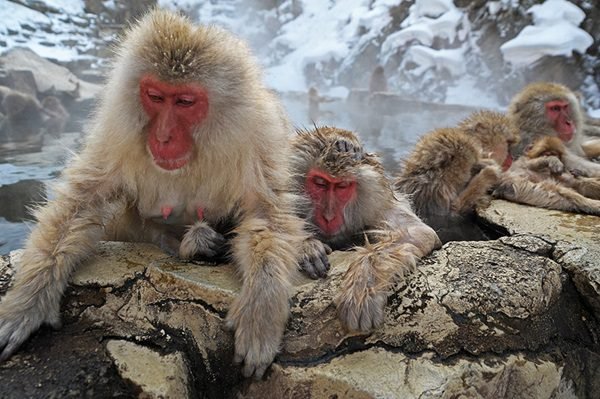
Monkeys in Japan, a popular destination for TEFL teachers
Japan rewards teachers who like structure and routine.

Teach English in Japan

A professional, well-organised market with several clear routes in.

DegreeBachelor's degree, any subject, required for the work visa.
Passport or native speakerThe Instructor visa asks for 12 years of education in the language taught, which effectively means native English or equivalent.
TEFLWidely expected by employers, though the JET Programme does not require it.
Typical payAbout ¥220,000 to ¥300,000 a month for ALT and eikaiwa roles. International schools can pay more.
HiringThe school year starts in April, so hiring peaks from January to March, with a second intake in late summer.
DocumentsA verified degree. Your employer or programme supports the visa.

What teaching is like

Assistant Language Teachers (ALTs) support Japanese teachers in public schools, through the government-run JET Programme or through dispatch companies. Eikaiwa conversation schools teach children and adults, often in evenings and at weekends. International schools want licensed teachers, and universities usually want a master's degree.

JET ProgrammeDispatch ALTEikaiwa schoolsInternational schools

Good to know

  • JET is the most competitive route and the application process is long.
  • Dispatch ALT roles are usually easier to get, but pay can be prorated in school holidays.
  • Japan's entry requirements are strict, but the hiring process is transparent.
Teach English in Vietnam with StudyTEFL cheap accredited TEFL certification
Vietnam combines a low cost of living with strong demand.

Teach English in Vietnam

Lively cities, strong demand and a low cost of living.

DegreeBachelor's degree, any subject, for the work permit.
Passport or native speakerNative speakers from the seven main countries. Others usually show C1 English or IELTS 7.
TEFLA 120-hour certificate is the usual minimum.
Typical payRoughly $1,100 to $1,900 a month. International schools pay more.
Hiring12-month contracts are common. Your employer applies for the work permit.
DocumentsClean police check and legalised degree. Since 11 September 2026 Vietnam accepts Hague apostilles.

What teaching is like

Most first-time teachers work in language centres, often evenings and weekends with children, or in public and private schools. Ho Chi Minh City, Hanoi and Da Nang are the biggest job markets, and demand for teachers is high.

Language centresPublic schoolsPrivate schoolsInternational schools

Good to know

  • Embassy attestation is now generally no longer required for foreign documents, but confirm with your employer.
  • A health check is usually arranged once you arrive.
  • Housing is often not included, but the low cost of living helps.
Thai tuk-tuk in Thailand, where TEFL teachers can teach English
A tuk-tuk ride to school in Thailand.

Teach English in Thailand

A relaxed lifestyle and steady demand for English teachers.

DegreeBachelor's degree, any subject. It is needed for the work permit and teaching licence.
Passport or native speakerNative-level English is preferred. Non-native speakers can teach with proof of strong English.
TEFLA 120-hour certificate is the usual minimum.
Typical payAbout ฿30,000 to ฿40,000 a month at many schools. International schools pay ฿60,000 to ฿100,000+.
HiringThe school year runs from May to March. Your school applies for your work permit and licence.
DocumentsDegree, transcripts and a police check. Bring originals.

What teaching is like

Teachers work in government schools with large classes, private schools, language centres and Mini English Programmes (MEP), or in summer camps. Bangkok and Chiang Mai are popular, and many first jobs are in smaller provincial towns.

Government schoolsPrivate schoolsMEP programmesSummer camps

Good to know

  • If a school cannot provide a work permit, do not take the job.
  • You usually do not need to arrange your teaching licence before you arrive, because your school applies for it.
  • Salaries are lower than in Korea or China, but the cost of living is lower too.

Video guides

Watch: teaching in Korea and China.

Two short TEFL destination videos to help you picture life and work in each country.

Teach English in South Korea

What to know about living and working in Korea as an English teacher, from contracts to daily life.

Korea requirements

Teach English in China

An introduction to teaching English in China, including the places and lifestyle that could suit you.

China requirements

Compare TEFL destinations

Compare TEFL destinations side by side.

A quick way to compare what each place asks for. Pay is gross and typical, and varies by city, employer and experience.

Compare TEFL destinations
CompareOnlineSouth KoreaChinaJapanVietnamThailand
DegreeVariesBachelor'sBachelor'sBachelor'sBachelor'sBachelor's
Passport or native speakerVaries by platform7 countries (E-2)7 countries, usuallyNative-level (12 years in English)Native, or C1 / IELTS 7Native-level preferred
TEFL120 hours often askedOften asked120 hours requiredWidely expected120 hours minimum120 hours usual
Typical pay$10 to $28 an hour2.2 to 2.7 million won a month¥12,000 to ¥35,000+ a month¥220,000 to ¥300,000 a month$1,100 to $1,900 a month฿30,000 to ฿40,000 a month
HousingYour ownProvided or allowanceOften provided or allowanceVaries by employerUsually not providedUsually not provided
HiringFlexibleEPIK spring and fall, hagwons year-roundOngoing vacanciesPeaks January to MarchOngoing vacanciesSchool year May to March
DocumentsApostille usually not neededApostilled degree and police checkApostilled degree and police checkVerified degreeLegalised degree and police checkDegree, transcripts, police check

What you need to teach abroad

Six things to check before you apply.

Tick each one off as you go. Most destinations ask for the same core things.

Buddhist lanterns in Korea, a popular place for TEFL English teaching
Buddhist lanterns in Korea.
0 of 6 checkedTake your time

Which destination suits me?

Which of our TEFL destinations suits you?

Pick your main goal and see where to look first. It is a starting point, not a promise, because visa and employer rules always apply.

What matters most to you?

South Korea

Korea often offers strong savings potential because contracts commonly include housing or an allowance, a flight allowance and health insurance.

China

China's big cities offer the higher salaries within the country, and international schools pay the most. A 120-hour TEFL is the standard entry ticket.

Japan and South Korea

Japan's JET Programme and Korea's EPIK are government-run public school programmes with clear application routes. Both are competitive, so apply early.

Vietnam and Thailand

Both have steady demand, lower living costs and a 120-hour TEFL as the usual minimum. Pay is lower than in Korea or China, but so are costs.

Teaching online

Online teaching lets you start from home, choose your hours and build experience. Requirements and pay vary by platform.

Online, or check Cambodia

Most in-person jobs need a degree, but requirements vary for online teaching. Cambodia is often mentioned as an option for teachers without a degree, so check the current rules.

More TEFL destinations and next steps

More TEFL destinations to explore.

Guide

Teach English in Thailand

Our Thailand guide covers work permits, teaching licences and what to check before you accept a job.

Guide

Teach English in Cambodia

Cambodia is often mentioned as an option for teachers without a degree. Read our guide and check current rules.

Guide

Teach English in Brazil

Explore our Brazil guide for what to check before you apply and what teaching there involves.

TEFL destination questions

TEFL destinations: questions about teaching English abroad.

Where is the best place to teach English abroad with a TEFL certificate?+
It depends on what you want. South Korea often offers the strongest savings, China has large demand and higher big-city salaries, Japan has structured programmes, Vietnam and Thailand offer a lower cost of living, and online teaching is the most flexible. Compare the requirements before you choose.
Do I need a degree to teach English abroad?+
For in-person jobs in South Korea, China, Japan, Vietnam and Thailand, yes. A bachelor's degree in any subject is normally needed for the work visa or permit. Requirements vary for online teaching, and some countries such as Cambodia are more flexible, so check the current rules.
Do I need to be a native English speaker?+
In South Korea (E-2 visa) and usually China, you need a passport from one of seven native-English countries. Japan's Instructor visa asks for 12 years of education in English. Vietnam and Thailand can hire non-native speakers who prove strong English, for example with C1 or IELTS scores.
Is a 120-hour TEFL certificate enough?+
A 120-hour TEFL certificate is the standard threshold for China, Vietnam and Thailand, and it is commonly expected in South Korea and Japan. Some employers prefer courses with a teaching practice component, and some specific jobs ask for CELTA or a teaching licence.
Do I need an apostille for my documents?+
Often, yes for in-person jobs. South Korea, China and Vietnam commonly ask for apostilled degrees and police checks, and some employers also ask for the TEFL certificate to be apostilled. Online teaching rarely needs it. StudyTEFL certificates can be apostilled through a UK legalisation process.
How much can I earn teaching English abroad?+
Typical monthly pay is roughly 2.2 to 2.7 million won in South Korea, ¥12,000 to ¥35,000+ in China, ¥220,000 to ¥300,000 in Japan, $1,100 to $1,900 in Vietnam and ฿30,000 to ฿40,000 in Thailand. These are gross, vary by city and employer, and change, so always check the contract.
When should I apply?+
South Korea's EPIK has spring and fall intakes, and hagwons hire year-round. Japan's hiring peaks from January to March for April starts. Thailand's school year runs from May to March. China and Vietnam have ongoing vacancies, so check current listings.
Can I teach English online instead of moving abroad?+
Yes. Many platforms hire teachers with a 120-hour TEFL certificate, though degree and passport rules vary. Pay ranges from roughly $10 an hour on beginner-friendly apps to higher rates on marketplaces once you build a student base.
Which StudyTEFL course should I choose for teaching abroad?+
The $39 Complete 120-hour TEFL is the main route for most people. The $29 Online Teacher TEFL is the leanest option for online teaching, the $54 course adds young learner and adult training, and the $69 course adds assessed plans and demo feedback. A 200-hour Specialist + Business TEFL is coming soon.
Will employers accept a StudyTEFL certificate?+
StudyTEFL certification has been used for applications in South Korea, China, Vietnam and Thailand, alongside online teaching roles. Employers and visa authorities set their own rules, so check the vacancy. If a job requires CELTA, Trinity CertTESOL or supervised observed practice, choose that qualification.

Ready to go?

Get TEFL certified, then pick your place.

A 120-hour TEFL certificate is the usual entry ticket to our TEFL destinations. Start from $29, or inspect a real lesson first.

Checkout Currency (Display Price is USD$)
Scroll to Top