
Lesson 1
TEFL Introduction
Explore what TEFL is, where it is commonly practised, the different learners and teaching settings you may encounter, and the core responsibilities of an English teacher.
Multi-currency checkout: USD, GBP, EUR, AUD and CAD.
Inside the Complete TEFL
A low price shouldn't hide a thin syllabus. The complete 120-hour TEFL course curriculum at StudyTEFL covers TEFL foundations, grammar awareness, ESL teaching, classroom management, learner motivation, student-centered learning, culture, teaching methods, lesson planning, vocabulary, pronunciation, productive and receptive skills, assessment, classroom resources, games, online teaching, different teaching contexts and finding work.
Below you can see all 24 lessons, the midterm and final exams, and a detailed look inside one of the largest units. You'll also see how classroom-observation footage, scenario tasks, quizzes and applied lesson-planning work fit around the written material.
Complete 120-hour TEFL curriculum
The $39 Complete course is our main 120-hour TEFL certification route: 24 teaching lessons, a midterm exam and a final exam. Filter the 120-hour TEFL course curriculum by topic or search for a subject, then open any section to inspect the syllabus.
Start by understanding the profession, the language system, the learner and the classroom before moving into more specialised teaching decisions.
4 lessons+Explore what TEFL is, where it is commonly practised, the different learners and teaching settings you may encounter, and the core responsibilities of an English teacher.
Develop the grammar awareness needed to identify word classes, distinguish form, meaning and use, and explain language points more clearly.
Look at the practical realities of helping learners communicate, including learner needs, teacher responsibilities, clarity, patience and adaptability.
Learn how routines, instructions, pacing, grouping, transitions and behaviour management help create an organised and productive learning environment.
Build the grammar and learner-awareness needed to teach more clearly while increasing meaningful student involvement.
5 lessons+Teach present-time meaning through context, examples, timelines and concept questions while anticipating frequent learner errors.
Explore confidence, goal-setting, intrinsic and extrinsic motivation, classroom atmosphere and constructive responses to disengagement.
Reduce unnecessary teacher talking time, increase meaningful student interaction and design tasks that encourage autonomy and participation.
Examine how culture affects communication and classroom expectations, and how teachers can avoid simplistic assumptions while supporting intercultural communication.
Revisit the present tense system in greater teaching depth, comparing present simple and continuous, state and action verbs, common errors and freer practice.
Move from methodology into one of the deepest parts of the course: planning what learners should be able to do and how each lesson stage gets them there.
2 lessons and an exam+Compare major language-teaching approaches, their strengths and limits, and how to choose techniques according to lesson aims rather than following one method rigidly.
Work with lesson aims, outcomes, sequencing, staging, timing, activity choice, learner level and context. The lesson itself goes much deeper into PPP, ESA, objectives, proficiency and assessment.
Review the first half of the course and demonstrate progress in grammar awareness, methodology, classroom practice and lesson planning.
The second half of the course develops the language-awareness and skills-teaching knowledge needed to turn content into teachable classroom work.
5 lessons+Teach major past forms through context and contrast, using timelines, examples, guided practice and communicative work.
Break more complex grammar into manageable teaching stages, clarify meaning without overcomplicating explanations and anticipate learner difficulty.
Teach meaning, pronunciation, spelling, stress, collocation and lexical sets while recycling language to move vocabulary toward active use.
Plan speaking and writing work that scaffolds meaningful output, balances fluency and accuracy and uses correction appropriately.
Focus on intelligibility, sounds, stress, rhythm, modelling, drilling and pronunciation issues that affect understanding.
Build reading and listening in stages, use assessment to guide future teaching and select classroom resources because they help learning rather than because they look impressive.
5 lessons+Introduce reading and listening through pre-, while- and post-task structure, prior knowledge, gist, detail and staged comprehension work.
Go deeper into skimming, scanning, inference, text selection, connected speech, intensive and extensive work and diagnosing learner difficulty.
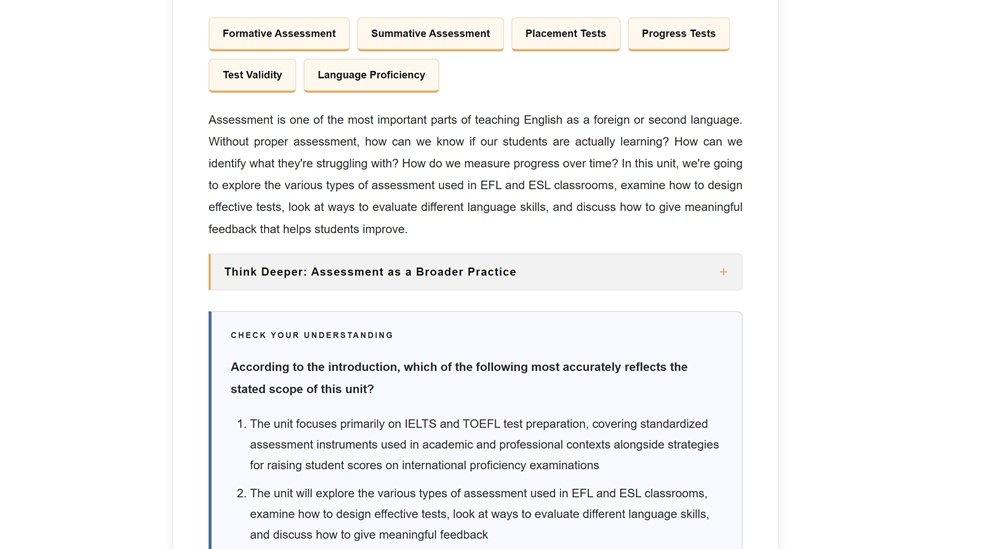
Compare formative and summative assessment, give useful feedback, assess different language skills and use evidence of learning to shape future teaching.
Use boards, visuals, handouts, digital tools and other resources efficiently and critically across different teaching environments.
Use games as purposeful teaching tools for engagement, repetition and practice while keeping activities aligned with clear language aims.
The course closes by moving beyond the generic classroom and asking how teaching changes across modes, learners, institutions and employment situations.
3 lessons and an exam+Adapt lesson stages for remote delivery, use online tools confidently, maintain engagement and respond to technical and communication problems.
Compare online, in-person, private and group teaching, then adapt tasks, materials and decisions for different ages, institutions and learner goals.
Explore TEFL employment pathways, what employers commonly look for, applications, professional presentation and practical next steps into the job market.
Consolidate the full syllabus and demonstrate understanding of TEFL principles, grammar awareness, skills teaching, classroom practice and teaching decisions.
Try another word or choose All. Every lesson is listed here.
Detailed look: one lesson, not the whole course
A syllabus title only tells you so much. Lesson 11 shows the depth behind one line of the curriculum. Pick an area to see the kinds of ideas developed inside this single lesson.
The unit treats lesson planning as professional route design rather than paperwork. Trainees consider where learners need to end up, what evidence would show they got there, and what sequence of lesson stages can realistically move them toward that outcome.
The unit includes expandable Think Deeper sections, embedded knowledge checks, applied examples and reflection prompts alongside the core text.
How depth is built into the course
The lessons contain several recurring learning layers, not just paragraphs followed by a final quiz.
Embedded multiple-choice questions ask trainees to distinguish close alternatives, then reveal a reasoned explanation rather than only a green tick.
Expandable sections push beyond basic definitions into planning logic, communication, learner psychology and why one teaching choice may be stronger than another.
Teacher-facing notes connect the course idea with classroom reality, professional resources and the compromises teachers make in actual contexts.
Implementation blocks connect principles with concepts such as alignment, sequencing, assessment validity and clearer learning objectives.
Real ESL classroom observation
Complete TEFL includes six full ESL lesson recordings. Here are five stills from one lesson, so you can see it move from engagement to review. Tap a stage to see what to notice.
See how the teacher gets attention, activates prior knowledge and creates a reason to enter the topic.
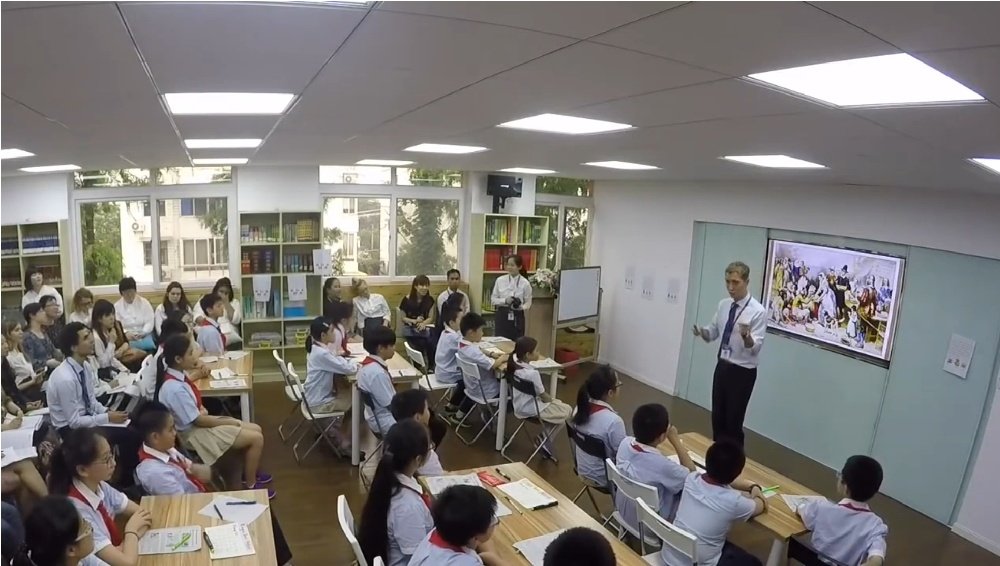
Watch student talking time increase as learners use language with a communicative purpose.
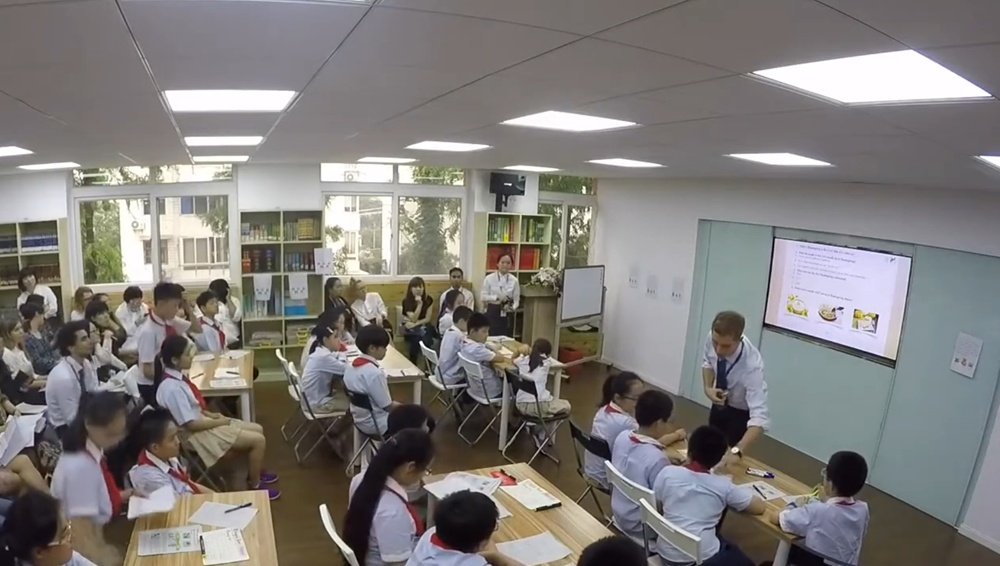
Watch learners process different information and depend on one another to reconstruct meaning.
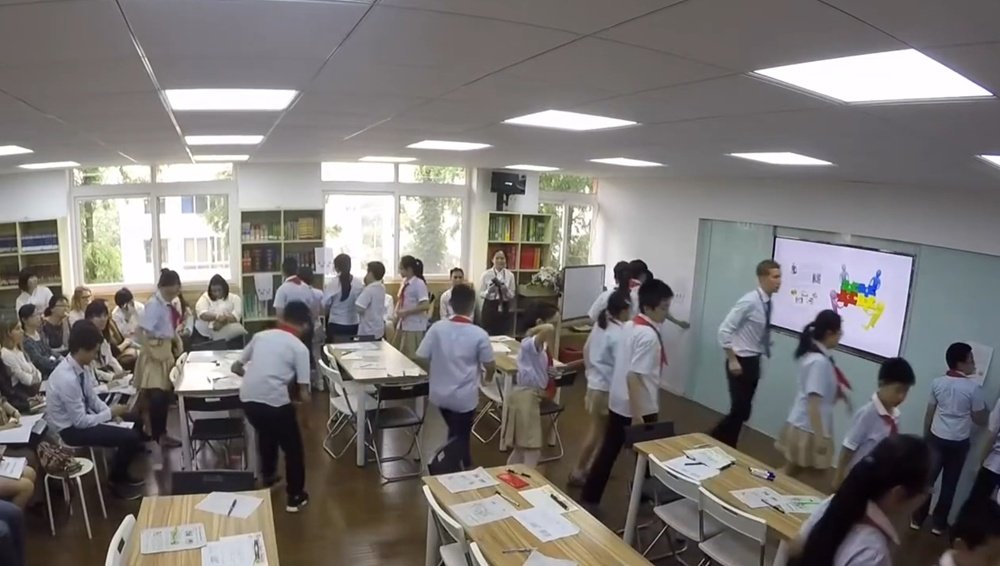
Notice the teacher step back in to model, correct and sharpen the language learners need.
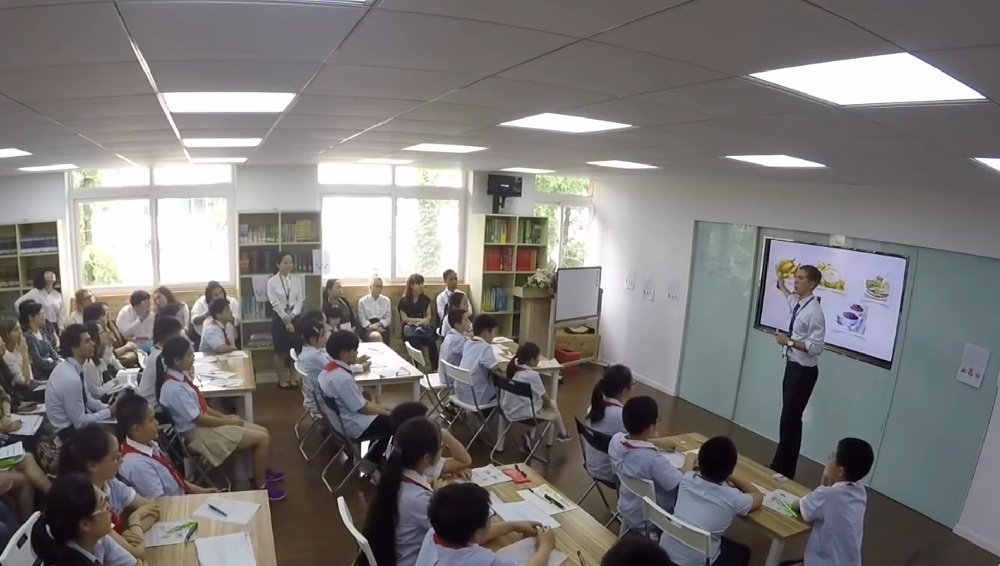
See how the teacher checks what learners can now do and closes the lesson around the original aim.
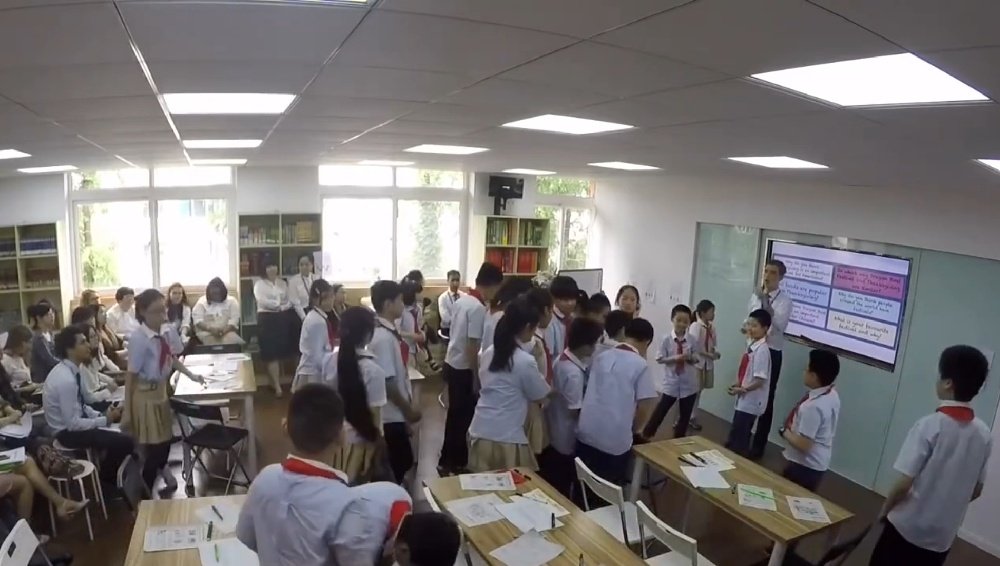
What does a 120-hour TEFL course teach?
The questions people ask before they choose a provider.
Yes. StudyTEFL builds grammar awareness through parts of speech, present and past tenses and more advanced structures. The goal is to help you explain language clearly, not turn you into a theoretical grammarian.
Yes. Lesson planning is one of the deepest sections of the course, covering objectives, proficiency levels, PPP, ESA, lesson sequencing, transitions, assessment alignment and complete lesson-plan examples.
Yes. You'll study instructions, routines, grouping, pair work, pacing, transitions, monitoring and how classroom management connects to student talking time and lesson flow.
Yes. The pronunciation unit covers intelligibility, sounds, stress, modelling and drilling, while pronunciation also appears inside lesson-planning and skills content.
Yes. Receptive-skills units cover reading and listening stages, gist, detail, skimming, scanning, inference, connected speech and how to build comprehension tasks progressively.
Yes. Productive-skills training focuses on designing speaking and writing tasks, scaffolding output, developing fluency and accuracy, and choosing when to correct.
Yes. StudyTEFL includes a dedicated Online Teaching lesson covering virtual interaction, digital resources, pacing and the adaptation of classroom techniques for online lessons.
Yes. The course includes a dedicated lesson on adapting teaching for online, in-person, private and group contexts, as well as different learner goals, ages and institutions.
Yes. The final teaching lesson focuses on common TEFL employment pathways, applications, professional presentation and practical next steps into the job market.
Which version of the 120-hour course?
Drag the slider or tap a price to see what each course includes. The $39 Complete course adds more video, real lesson observation, scenarios and tutor support. Looking for the leanest route? See our cheap 120-hour TEFL course for $29.
120-hour TEFL course curriculum FAQs
Course depth you can inspect
Use this page to inspect the 120-hour TEFL course curriculum, open the free lesson, compare the $39 Complete course with the $29 Online Teacher course and decide whether StudyTEFL gives you enough depth for the kind of teaching you want to do.
The syllabus is part of the evidence